
How do you dispute errors on your credit reports? – NFCC
Editor’s note: This post was originally published in July 2019.
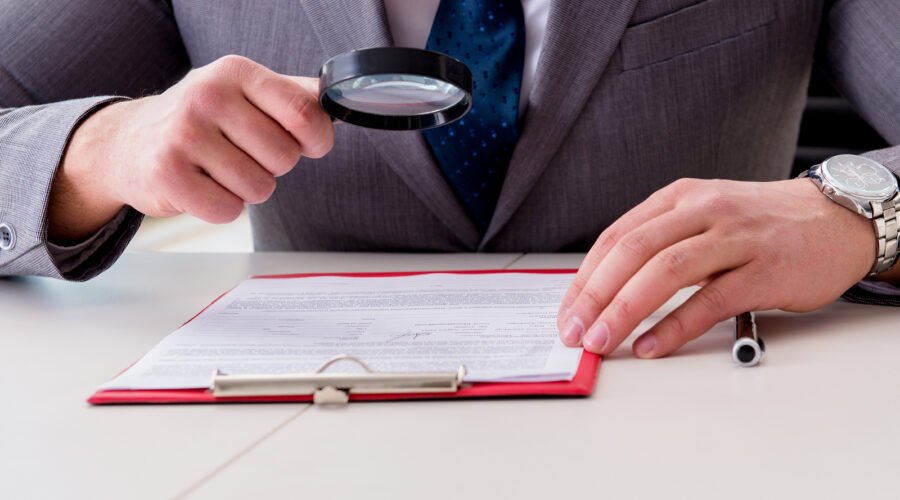
If you find an error on your credit reports, there are ways to update or remove the information. Thanks to the Fair Credit Reporting Act (FCRA), you have the right to correct incomplete, inaccurate or misleading information on your credit reports.
You can address credit report errors for free, in just a few minutes, by filing something called a “dispute” with the credit bureau that reported the error. Here’s how filing a dispute works.
How to check your credit reports for errors
The first step in the dispute process is to determine that the information in your reports is truly incorrect. Despite what some credit repair companies advertise, negative but accurate information cannot be removed from your reports before it falls. Most negative information is removed after seven years.
If you haven’t reviewed your three credit reports (from Equifax, Experian, and TransUnion), you can get free copies at AnnualCreditReport.com. Be sure to check all three reports for errors, as they are not identical. For any report that has an error, you will need to file a dispute to have the information updated or removed.
Steps to file a dispute with the credit bureaus
You can file your dispute with the credit bureau by phone or by mail, but the easiest option is usually to file online. You can submit your disputes or find the contact information for each of the credit bureaus here:
If you have documentation to support your claim, such as a bill payment receipt or a letter from a creditor, you can upload it at the time of delivery or mail it. If you mail, be sure to send copies (not originals) and use certified mail to ensure receipt.
What happens after you dispute a credit report error?
After you file your dispute, the credit bureau must conduct an investigation into your claim, usually within 30 to 45 days.
If they determine the information is incorrect, they must remove or correct it and send you a copy of your updated credit report. However, if they find that the information was correct, it will remain on your report and the credit bureau must send you a notice within five days.
What to do if your credit report dispute fails
If you disagree with the credit bureau’s conclusion, there are a few things you can do. One option is to contact the creditor who reported the incorrect information. Advise them of the error and ask them to update the information. Be sure to provide them with any documentation you have to support your claim.
If this does not lead to correction, you can file a complaint with the Consumer Financial Protection Bureau. You may even want to consult with an attorney who has experience handling credit report issues.
Alternatively, you can ask the credit bureau to add a 100-word note to your report explaining the error. While it won’t change the outcome of the investigation (or your credit scores), adding an affidavit gives you a chance to explain the matter to potential creditors who view your file.
Should you hire a credit repair company to file your disputes?
Discording information on your credit reports can seem a little complicated, and many people are tempted to hire “credit repair” agencies for help. But paying for this service is not necessary, since raising a dispute is free and quite easy to do yourself.
However, if you have questions or need guidance, you can always contact one NFCC Certified Credit Counselor. A credit counselor can help you organize your finances, review your credit reports, and create a strategy for filing and keeping track of a dispute yourself.
Sincerely,
Bruce McClary, Vice President of Communications
Bruce McClary is Vice President of Communications for the National Foundation for Credit Counseling® (NFCC®). Based in Washington, DC, he provides marketing and media relations support for NFCC and its member agencies serving all 50 states and Puerto Rico. Bruce is considered a subject matter expert and liaises with the national media, serving as the organization’s primary spokesperson. He has been a featured financial expert for the nation’s leading media outlets, including USA Today, MSNBC, NBC News, The New York Times, Wall Street Journal, CNN, MarketWatch, Fox Business and hundreds of local media outlets from coast to coast.