Fed’s Warsh: Tailored regulation best supports domestic banking sector
In his first appearance before Congress as head of the Federal Reserve, Chairman Kevin Warsh emphasized the need for tailored bank regulation and said that while international coordination of banking standards is important, “the Basel end is not the American end.”
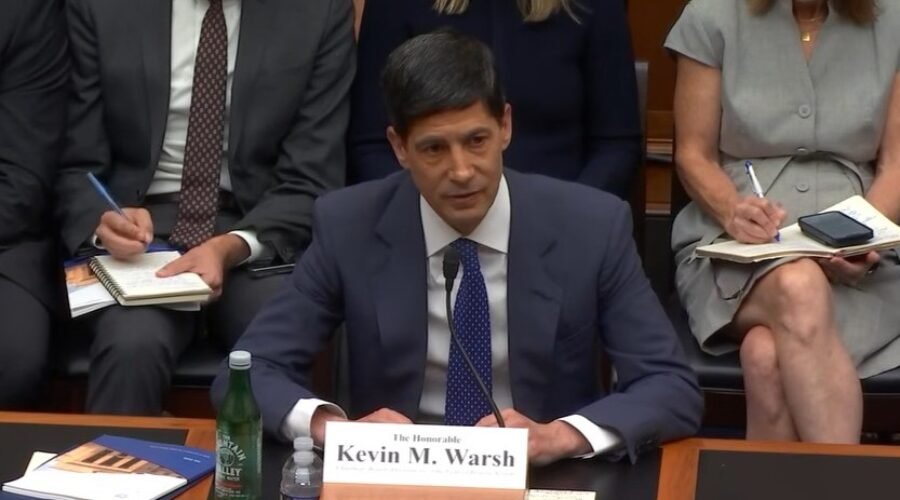
Warsh appeared before the House Financial Services Committee today in the first of two days of testimony before lawmakers. In his opening remarks, the president said the Fed’s main goal is to “get monetary policy right,” which is why he formed five task forces to review different aspects of how the central bank sets policy.
“If we conduct the right policy – and we will – the increase in inflation in the last five years will be a thing of the past,” he said.
Committee members questioned Warsh on a range of topics, such as whether the Fed would fulfill its statutory mandate to announce rulemaking implementing the Genius Act by Saturday, which marks the first anniversary of the stablecoin’s signing into law. The president said the central bank was “racing” to meet the deadline.
On banking regulation, Warsh said one of the strengths of the U.S. economy is its “highly competitive, diverse banking system,” which must be supported by tailored regulation that fits the institutions and clients they serve. While the president said he is still reviewing the proposed capital standards to implement the Basel III endgame, he believes the U.S. needs to set standards that best suit its economy.
“I’m all for international coordination of banking standards. It’s a worthwhile effort that we met in Basel (Switzerland) to come up with some kind of international standards,” Warsh said. “But the end game in Basel is not the end game of America, it is not the end game of the Federal Reserve. Our goal is to make sure that we have the right rules that fit our economy, so that we have a safe, sound and competitive banking system, and everything we agree on with our international counterparts must be in the service of the economy.”
Warsh was also asked about opening up access to the payments system to fintech companies and other non-banks, such as the Fed’s current proposal to create “lean” master accounts for payment services. He did not weigh in on whether he would support the proposal, but said new technologies provide “great opportunities” for the US
“The United States can lead the way in payments,” he said. “Our economy may be the strongest in the world and improve its growth rate, but it is not without risk, and we at the Fed will find the right balance of challenges and opportunities in payments and beyond.”