
Your Savings Rate Matters More Than Your Investment Returns
Just a tip:
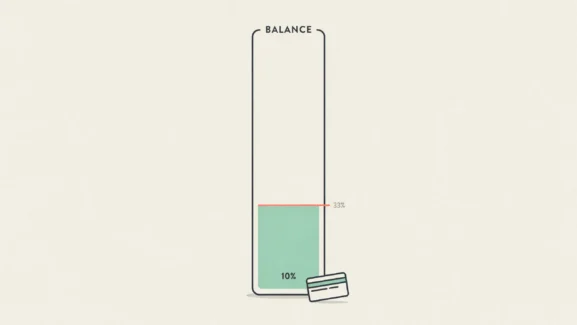
In the first decade of building wealth, the percentage of income you save affects your net worth much more than the return you earn. A 15% savings rate with average returns beats a 5% rate with excellent returns. Raise your savings rate first and worry about optimizing your investments later.
That advice goes against every instinct the financial media trains in you. Fund rankings and hot stock picks attract attention because returns feel like a skill, and saving feels like a grind. But neither moves a small balance much.
Returns are a percentage of what you already have. When your balance is $10,000, a spectacular year that beats the market by three points, say 10% instead of 7%, earns you an extra $300. Saving an extra $100 a month adds up to $1,200. No luck required. The leverage you control completely outweighs the leverage you don’t.
The gap keeps him going for a whole decade. Saving 15% of a $60,000 salary with an average return of 7% is about $124,000 over ten years. Saving 5% and somehow earning a cool 12% comes to roughly $53,000. That’s less than half, even though most professional fund managers have never been exposed to returns. It takes returns eventually, but it gives them something to work for after years of deposits.
So set the goal where it counts. Choose a savings rate, not a dollar amount, and automate it as a percentage of each payout. Park the money in a broad market index fund and leave it alone. It’s an optimization that can wait for the winners.
If 15% seems impossible right now, start where you can and schedule a one point increase every six months. You will barely feel the steps. The fastest way to a higher rate is to earn more, not cut deeper. Higher income makes 20% possible where 10% once felt like a stretch. This only works if the increase is going towards savings instead of an upgraded lifestyle, so raise the rate before the new paycheck hits your checking account. Going from 10% to 15% does more for your equity than fund options.
Eventually the roles are reversed. When a typical year of profitability runs up against a year of contribution, optimization begins to gain its hold. Until then, rate is the strategy.
Make and save more money, spend less time

A tip, every morning
Join over 50,000 readers. Actionable, free, no nonsense – just advice.
No spam, ever. Unsubscribe at any time.
Editorial and advertiser disclosure: The editorial content on this website is not provided, commissioned, reviewed, endorsed or otherwise endorsed by any advertiser. The opinions expressed are ours alone and not those of any advertiser. The offers that appear are from companies that we may receive compensation for. However, this compensation does not affect where and how these companies are mentioned on the website. We do not include all companies or all offers available on the market.
Related: