VA researcher wins top honor for rethinking Veteran rehabilitation
Researcher Jennifer Stevens-Lapsley’s work helps older veterans regain mobility and independence
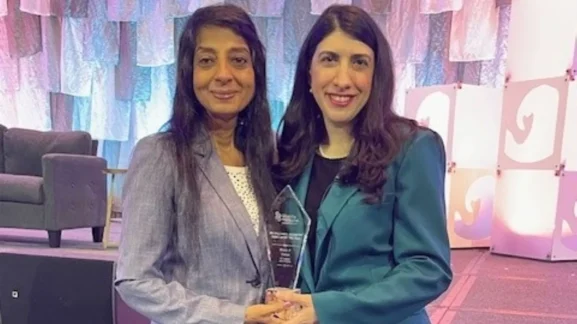
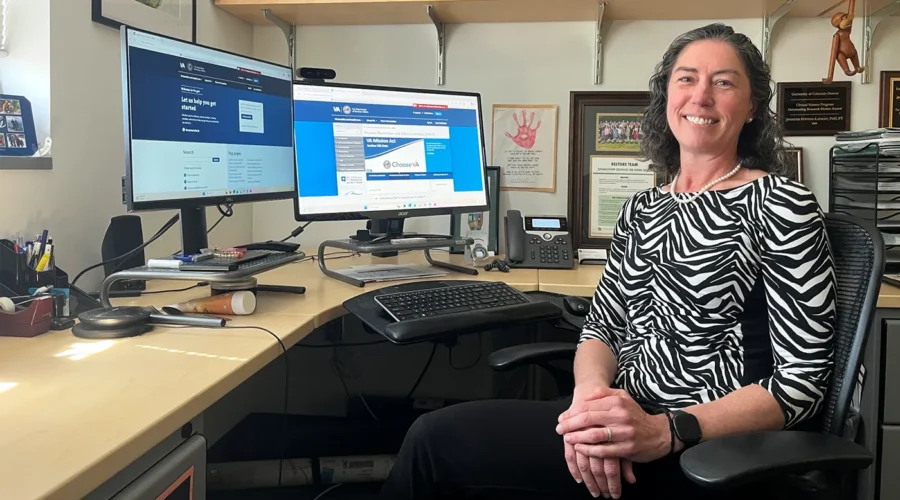
dr. Jennifer Stevens-Lapsley, Associate Director of Research at VA Eastern Colorado Health Care System’s Geriatric Research, Education and Clinical Center, received the Paul B. Magnuson Award, the VA’s highest honor for rehabilitation researchers, for work helping older veterans regain strength, mobility and independence after hospitalization.
The VA Eastern Colorado Geriatric Research, Education and Clinical Center is part of a network of VA Geriatric Centers of Excellence focused on aging. The centers work to improve care for older veterans through research, clinical innovation and education.
The Magnuson Award honors the life and legacy of dr. Paul B. Magnuson, a surgeon who sought new treatments and devices for patients facing disabilities. The award reflects his passion for returning patients to their families, their work and their lives.
Recovery in everyday life
Stevens-Lapsley’s research focuses on a problem many veterans face after illness or hospitalization.
“Many older veterans experience significant loss of mobility after hospitalization, and too often rehabilitation is not performed at a level that significantly restores function,” said Stevens-Lapsley. “In some cases, the level of challenge was so minimal that the veterans were not meaningfully engaged, even to the point of falling asleep during the exercises.”
Loss of strength and mobility can delay a veteran’s return home and prolong their rehabilitation stay. Stevens-Lapsley’s work examines how higher-intensity rehabilitation can better support daily activities and improve quality of life for older veterans.
“My research team’s work focuses on helping older veterans maintain and regain mobility so they can live more independently,” said Stevens-Lapsley. “We design and implement rehabilitation approaches that build strength, improve walking ability, and support daily activities such as getting out of a chair, moving safely, and returning home after illness or hospitalization.”
Change of access
The problem wasn’t a lack of effort on the part of the older veterans. Their rehabilitation was often delivered at too low an intensity to stimulate significant recovery.
“Historically, care has been underdosed, with a focus on maintenance rather than recovery,” she said.
Her research challenged that assumption by showing that even medically complex older adults can safely participate in higher-intensity progressive rehabilitation.
What success looks like
The team found that success means the veteran can walk further, stand up more easily, move around the house safely, and return to their family and community with greater independence.
“When higher-intensity, individualized rehabilitation led to faster recoveries, shorter stays and more veterans returning home, it became clear that this approach could change expectations about what recovery should look like,” she said.
At the Fitzsimons Veterans Community Living Center in Aurora, Colorado, this approach shortened veterans’ lengths of stay and helped 20% more veterans return home instead of transitioning to long-term care.
Why it matters
The work is also personal for Stevens-Lapsley, who watched her uncle, a veteran, receive rehab that didn’t challenge him enough to rebuild the strength that could help him return home.
“What struck me the most was how few opportunities there were for meaningful mobility and strengthening,” she said. “It became clear to me that we underestimated both his potential and the amount of rehabilitation needed to help him regain his independence.”
As his rehabilitation changed, so did his outcome.
“He had the strength to go home to his wife of more than 50 years, rather than receive long-term care in a nursing home,” she continued.
Stevens-Lapsley’s uncle’s story reflects what research and the award are really about.
“Older veterans are often capable of much more recovery than they are given the opportunity to achieve,” she added. “When rehabilitation is appropriately dosed and tailored to the individual, significant improvements in strength, mobility and independence are possible, even in the setting of complex medical conditions.”