VA community residential care brings Veteran peace of mind
The Independent Living Community brings VA support closer to the veteran and caregiver
Community Residential Care helps veterans who cannot safely live on their own, but who also do not need a nursing home, by allowing them to live in an environment where they can maintain their independence and receive 24/7 assistance when needed.
That need became clear to Charles Sasser and his wife, Donna, after nearly 40 years on their ranch near Chouteau, Oklahoma, where they raised and sold registered quarter horses.
Donna explained that managing daily life has become difficult due to Charles’ memory, hearing and vision loss, especially with medical help far away.
“We lived about 50 miles from Tulsa and it was up to me to take care of him,” Donna said. “I didn’t know how I could do it alone anymore.”
29 years of service
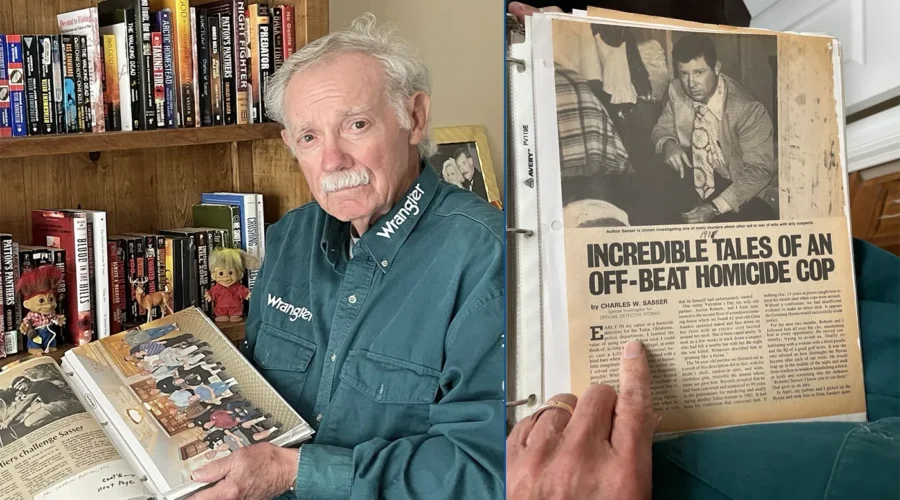
Charles is an 84-year-old veteran who served four years as a Navy reporter, spent 12 years in the Army Special Forces and was wounded as a combat correspondent. He retired from the Army Reserve in 1995 after 29 years of service.
He spent 14 years in law enforcement as a homicide detective in Tulsa, Oklahoma and Miami, Florida. Since 1979, he has written or co-authored more than 50 books and many articles on military nonfiction and adventure writing.
VA support in everyday life
After moving to Town Village Tulsa, a VA-approved senior living facility, the Sassers were introduced to Billie Distasio, a senior social worker for Eastern Oklahoma VA Health Care System’s Community Housing Program. After the meeting, Charles enrolled in the program.
Distasio says Residential Care coordinates long-term support among veterans, caregivers and VA-approved facilities to improve veterans’ quality of life.
“These settings provide supervision, medication monitoring, recreational opportunities and scheduled routines,” Distasio explained. “The environment reduces risks such as falls, medication mismanagement and neglect that can occur when a veteran lives alone without adequate support.”
Distasio also connected the Sassers with additional VA services, including primary home care and respite care — the latter after Donna described the experience of caregiver burnout — as well as caregiver support resources and help with VA disability benefits.
Improving the quality of life
“Charles spends time with other residents, participates in activities and enjoys visiting with other veterans,” said Donna. “That eased my worry too. I know he’s safe here.”
Veterans in community-based residential care often gain stability, social engagement, and a better quality of life through support and meaningful connection.
“We’ve become friends with so many veterans here,” Charles added. “I like them.”
It stays connected
Veterans interested in community housing can speak with or learn more from their VA social worker VA’s Community Residential Care site.